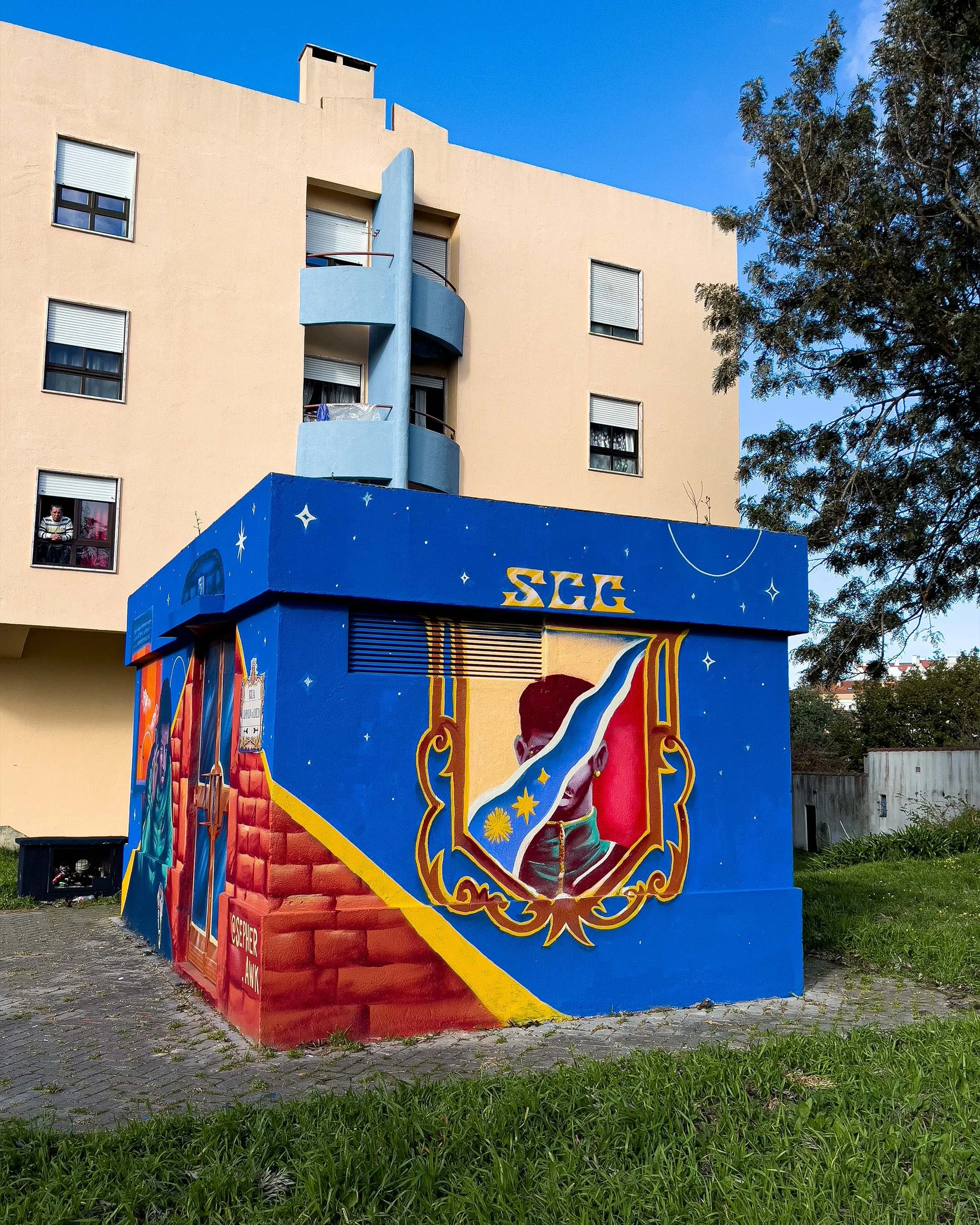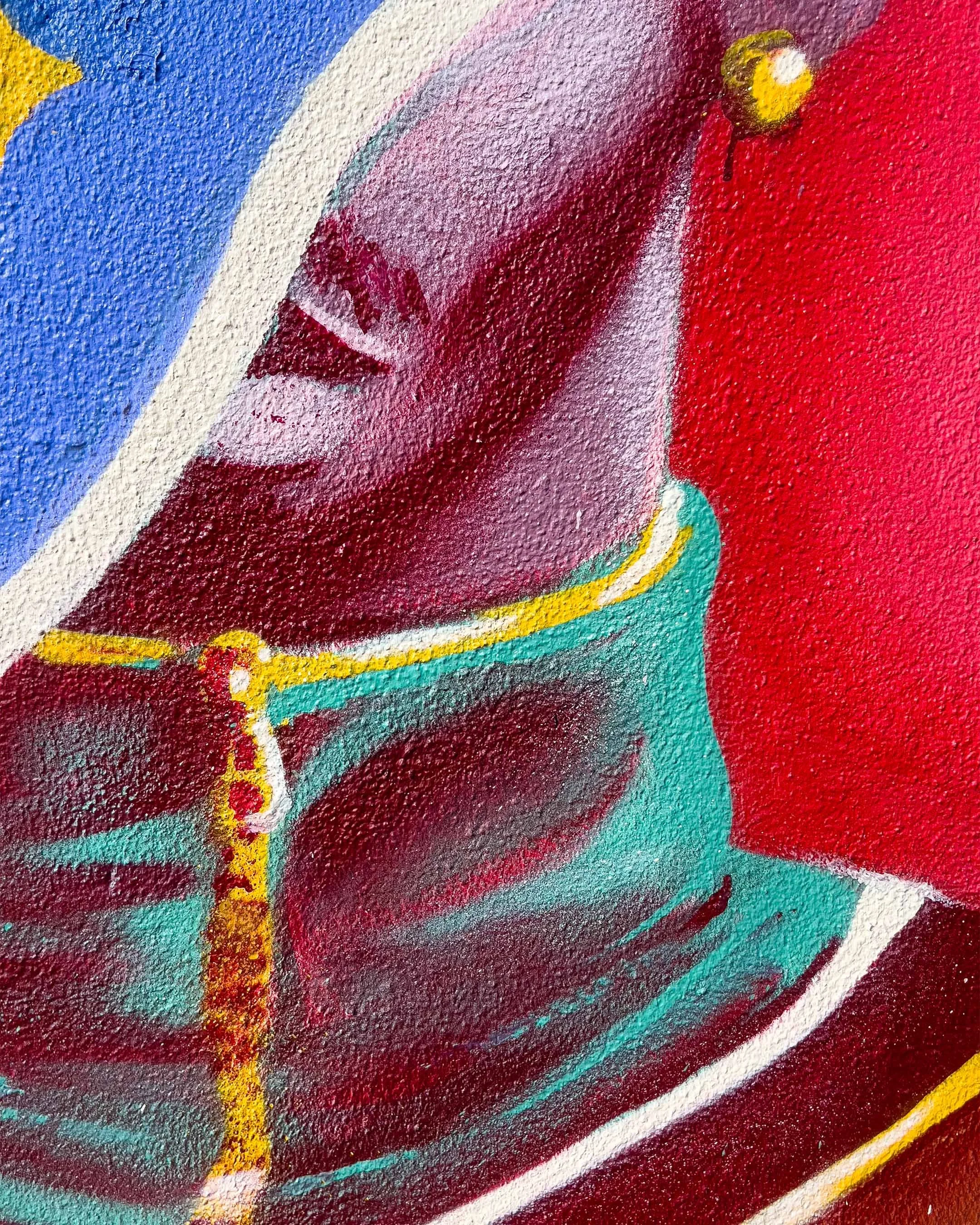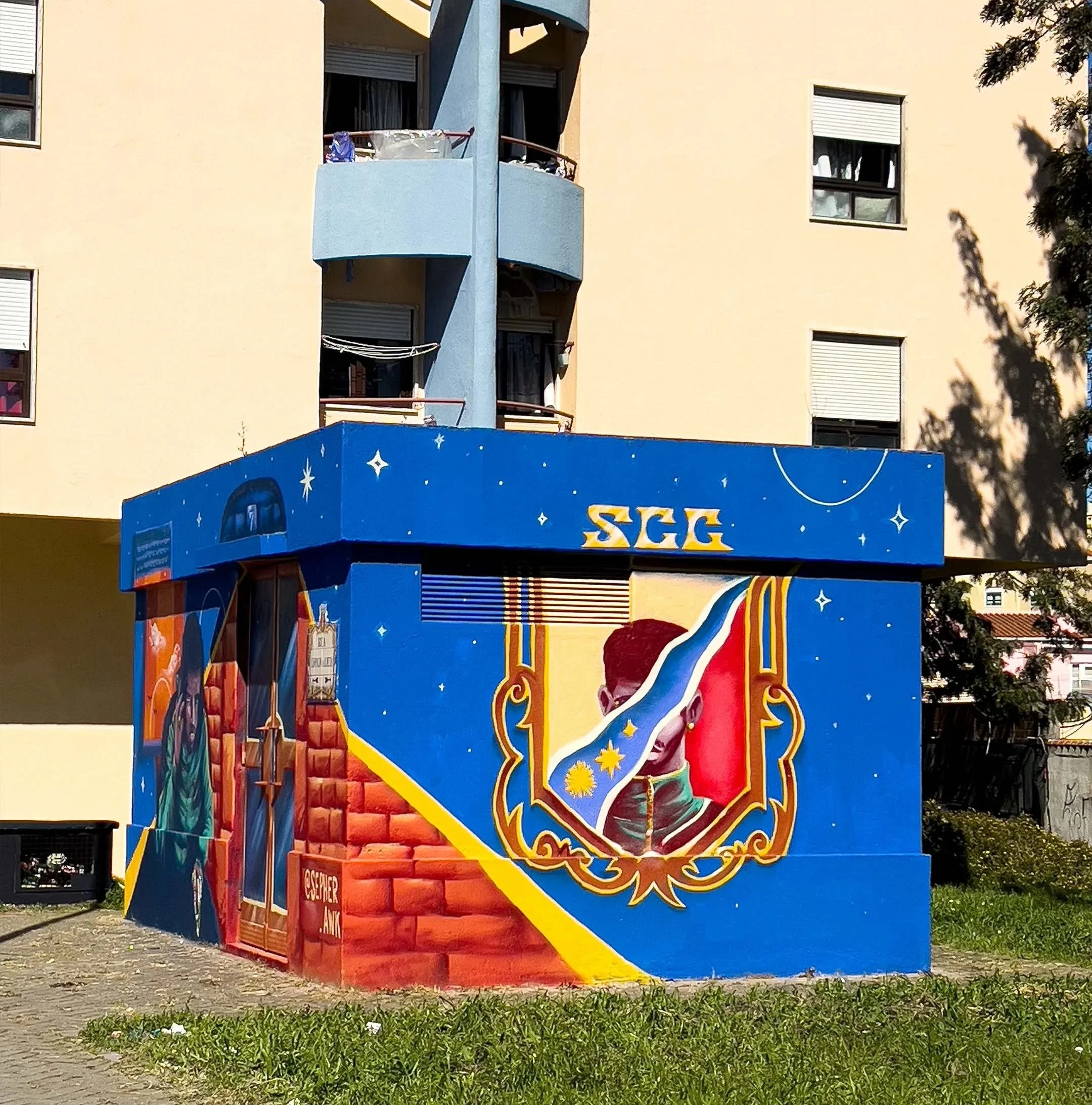

Muitas vezes desconsideramos o amor que recebemos apenas por este ser imperfeito.
Os diferentes comportamentos praticados no berço familiar são fruto da transmissão entre gerações que é moldada ao longo do tempo.
As experiências dolorosas sentidas no crescimento podem ser desconstruídas e transformadas numa espécie de barreira protetora que impede a repetição de tais erros para com os filhos do presente e do futuro.
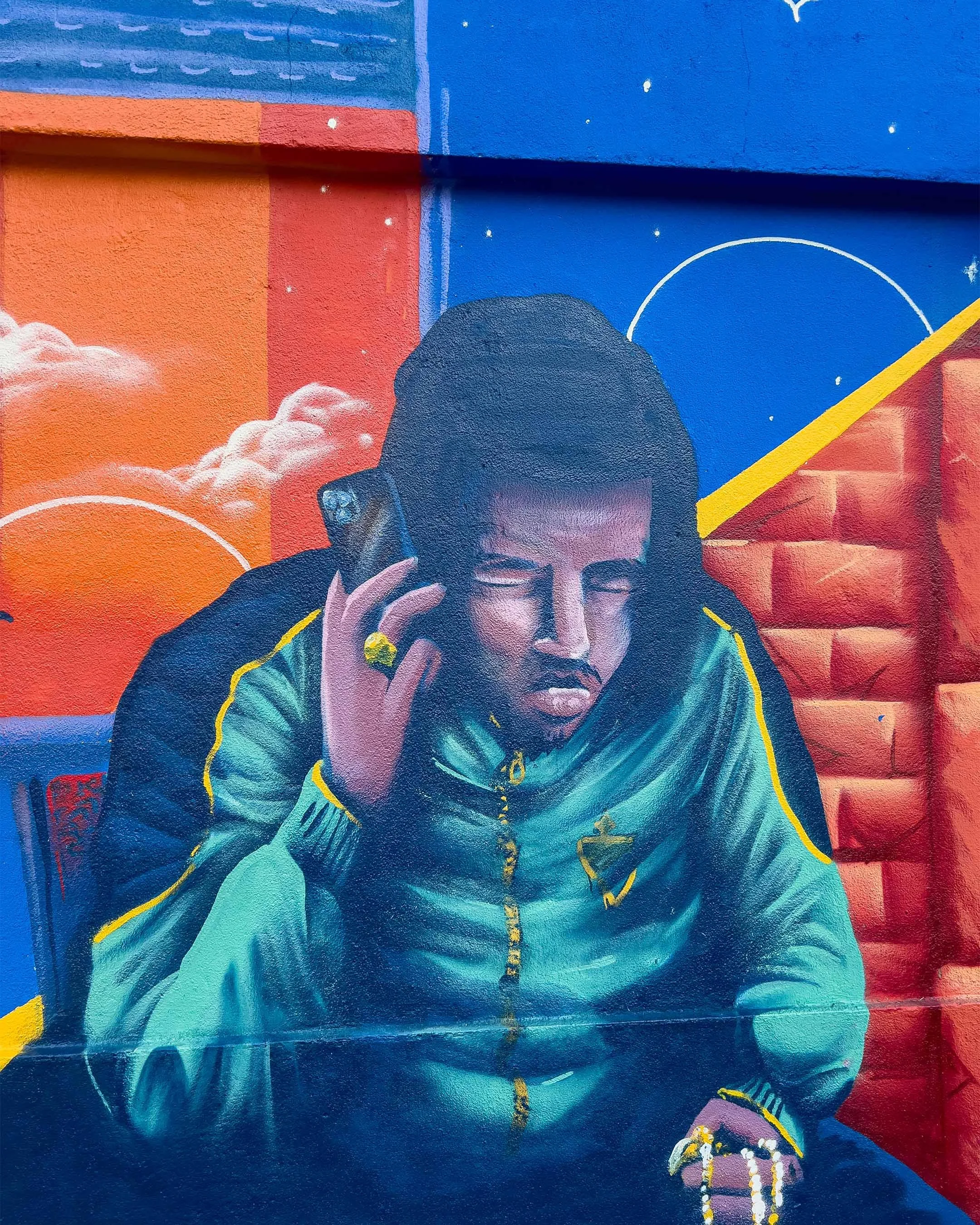
Ao anular esses traumas, estamos perante uma demonstração de amor que, mesmo imperfeita, devemos receber. Remete-nos para a reflexão acerca de um fenómeno comum nos cantos da Linha de Sintra - a monoparentalidade. Um tipo de estrutura familiar em que as crianças estão ao cuidado de uma pessoa que luta isolada pela sua criação e educação, desprovida de apoio.
O impacto da ausência de uma figura parental é amplamente profundo, não apenas na infância, mas também no rumo que se decide tomar ao longo da vida adulta.
Pode esse rumo ser saudável e livre de mágoas, porém tende a ser contorbado, confuso e mais difícil, levando a que o indivíduo, de certo modo, cresça mais cedo do que o suposto. A relevância desta reflexão remete para a incompreensão por parte de quem vive o afeto biparental e ao crescer num ambiente familiar caloroso, descarta com irresponsabilidade e ingratidão, o Amor que muitos nunca conheceram.
EN:
iWe often disregard the love we receive simply because it is imperfect.
The different behaviours experienced within the family home are the result of patterns passed down through generations, shaped over time.
The painful experiences endured while growing up can be deconstructed and transformed into a kind of protective barrier, preventing the repetition of such mistakes towards the children of the present and the future.
By breaking these cycles of trauma, we witness an expression of love that, although imperfect, we should learn to receive. This leads us to reflect on a common phenomenon in parts of Linha de Sintra: single parenthood. A family structure in which children are cared for by one person who struggles alone to raise and educate them, without support.
The impact of the absence of a parental figure can be profound, not only during childhood, but also in the direction one chooses to take throughout adulthood.
That path can be healthy and free from resentment, but it also tends to be more troubled, confusing and difficult, often leading the individual to grow up sooner than they should.
The relevance of this reflection lies in the lack of understanding from those who experience two parent affection and grow up in a warm family environment, yet carelessly and ungratefully dismiss the love that many have never known.
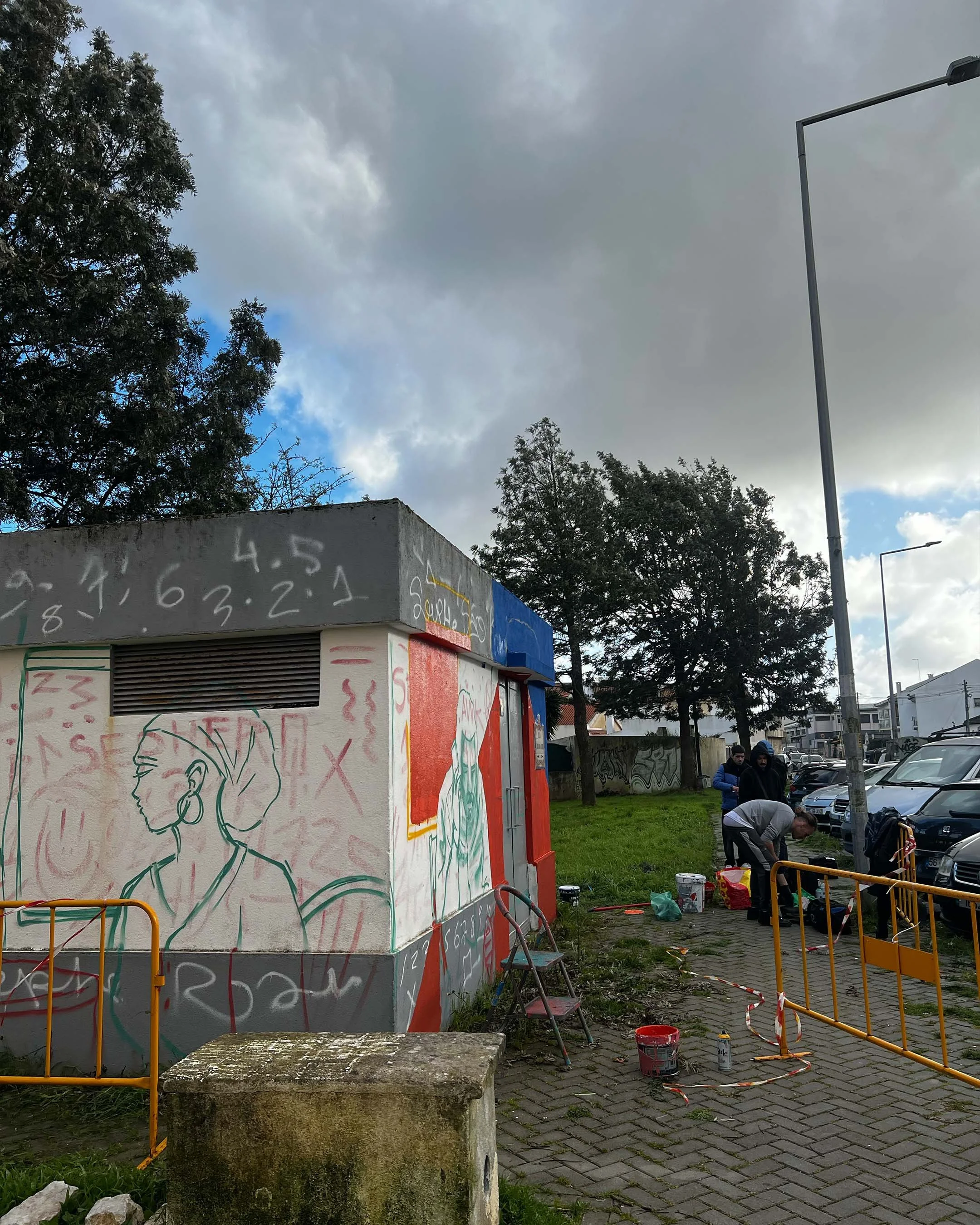
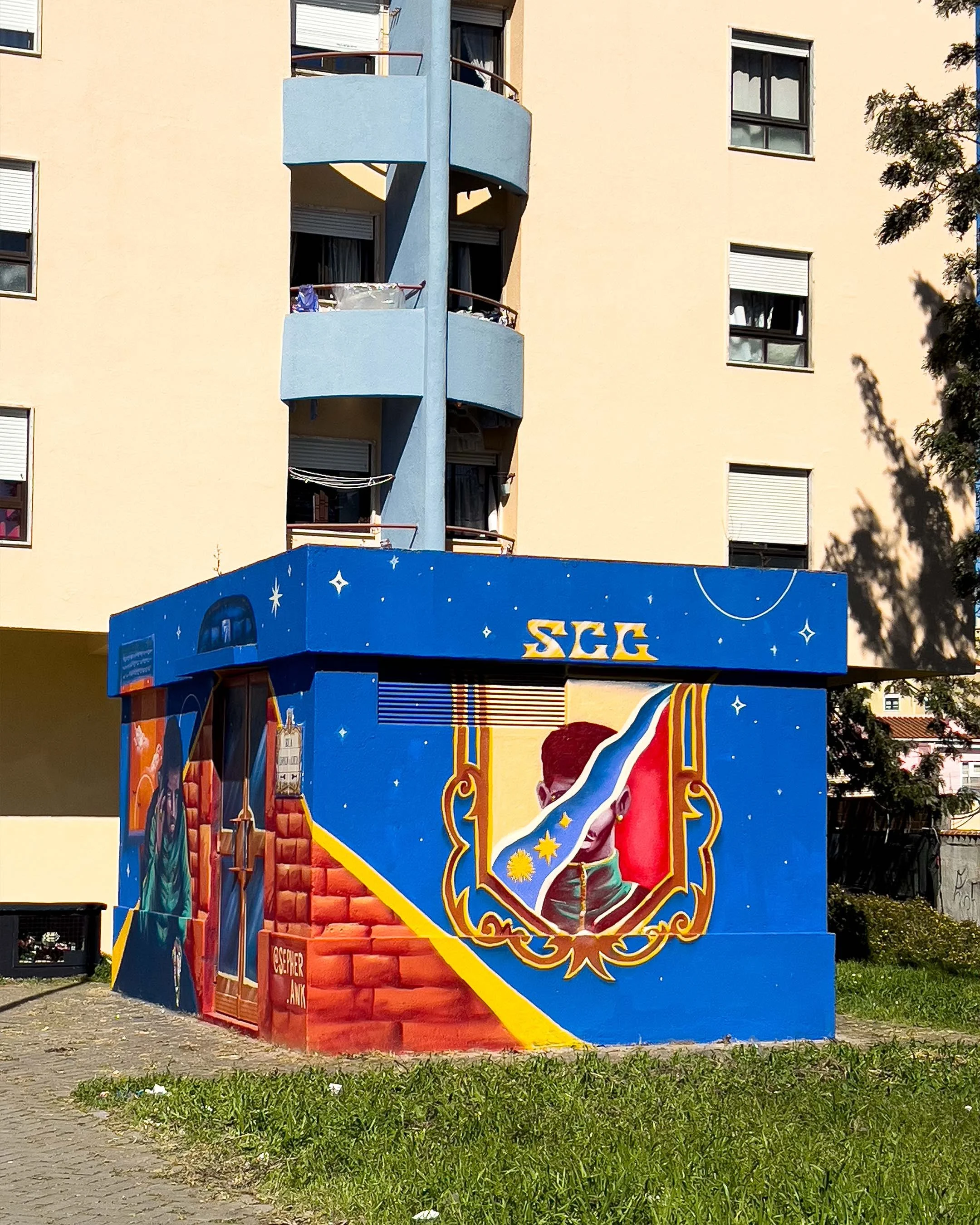
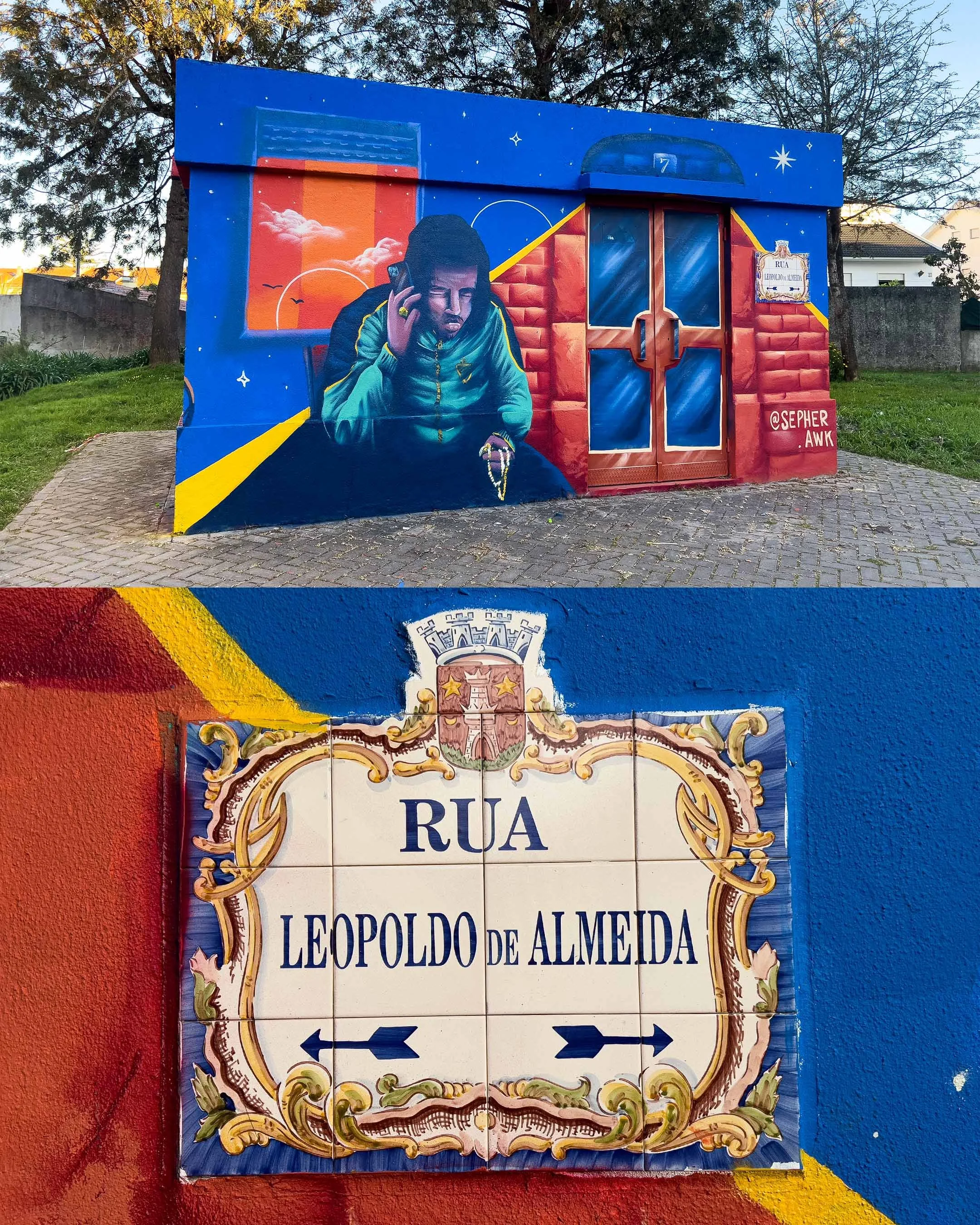
Portugal, Sintra, Mem Martins 2025 / Dimensions: 58 m2